

The ancient empires were dependent on trade and economy. They encouraged development, availed resources and enhanced interaction of the various regions. These systems enable one to understand how empires came into being and how they maintained their existence.
Trade was a trade in goods and services between individuals and regions. The typical commodities were food, tools, cloth and precious materials. Trade enabled the societies to get resources which were unavailable in their immediate surrounding.
Trade routes contributed greatly towards economic development. These roads linked the various areas and facilitated flow of commodities and ideologies. There are routes which had become big economic centers.
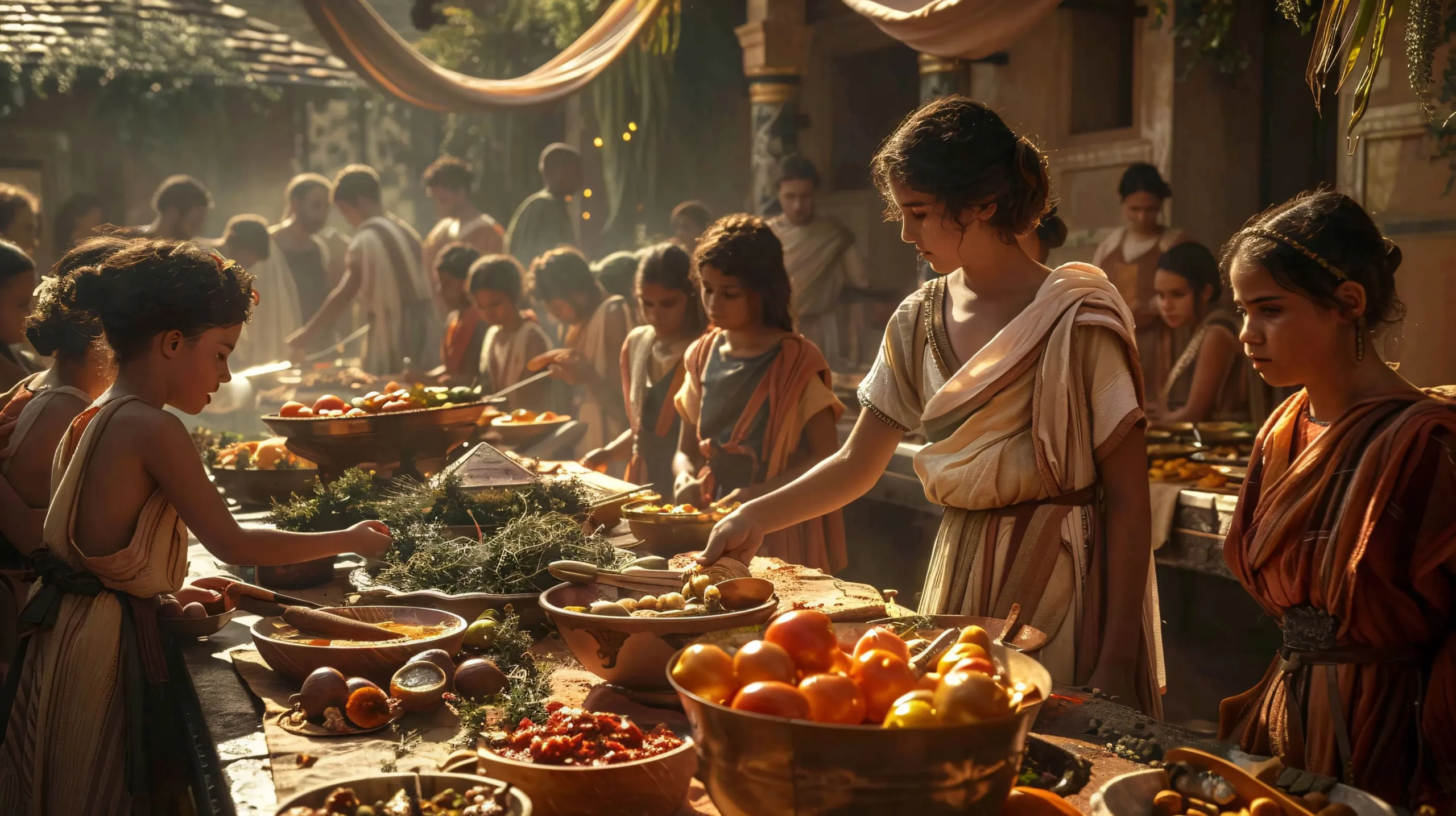
One of the key places of trade were markets. Economic interaction opportunities were made by people as they assembled to buy and sell products. Markets were also social and cultural centres.
They came up with currency systems to facilitate trade. Money in the form of coins and other money simplified transactions and made them more effective.
The economy involved a lot of Agriculture. Agriculture was a source of food and raw materials. Excess production enabled the societies to be involved in the trading activities.
Another way that was helpful to the economy was craftsmanship. There were skilled laborers who manufactured goods like tools, pottery and textile. These goods were exchanged both in the local and regional markets.
Governments had a hand in trade regulation and collection of taxes. These mechanisms assisted in upholding order and sustaining the social services.
There was also exchange of culture because of trade. Exchange of ideas, technologies, and traditions was possible due to interaction of various regions.
Empires were successful when they were economically stable. Good economies favored growth and development, whereas the economic difficulties may cause deterioration.
In general, trade and economy played a crucial role in the activities of ancient empires. They facilitated expansion, communication and cultural expansion within areas.